
Insurance Policy Limits: What Does It Mean After An Accident?
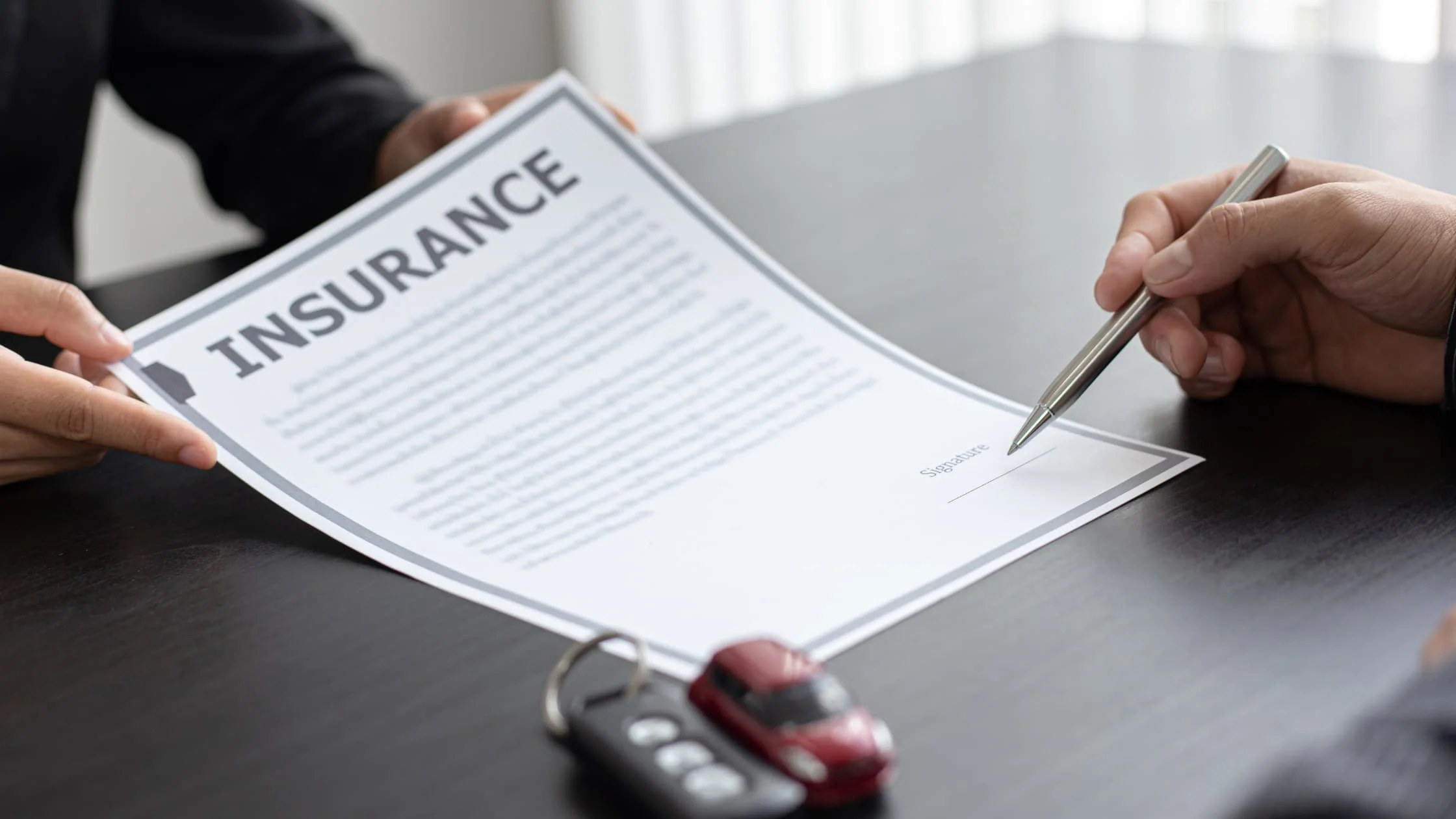
What if you or any of your loved ones were hurt in an accident, and now the insurance adjuster keeps using the phrase “policy limits”? Isn't that frustrating?
Maybe they said the other driver only has “minimum limits,” or maybe they offered to “tender the policy.” That can sound confusing when you are already dealing with pain, medical bills, car repairs, and missed work.
Insurance policy limits are the maximum that an insurance company has agreed to pay under a specific policy. If your losses are higher than that amount, the insurance company usually will not pay more from that policy alone.
But that does not always mean your case is only worth the policy limit. It only means that one insurance policy may have a payment cap. In this blog, we'll break down everything about an insurance policy limit in California in a much simpler way. Stay tuned!
What Are Insurance Policy Limits?
Insurance policy limits are the maximum amount an insurance company will pay for a covered claim under a specific insurance policy.
The insurance company may agree that its driver caused the crash. It may even agree that your injuries are real. But if the driver’s policy only has $30,000 in injury coverage for one person, that insurer usually will not voluntarily pay more than $30,000 under that policy.
- If your claim is worth $20,000 and the policy limit is $30,000, the limit may be enough.
- If your claim is worth $85,000 and the policy limit is $30,000, the policy may fall short.
- When three people are injured and the total limit is $60,000, the insurance money may need to be divided.
- If your car damage is $18,000 and property damage coverage is $15,000, property damage coverage may not cover all repairs
This is why policy limits matter so much after a serious accident. They can affect settlement talks, timing, and whether your lawyer needs to look for other insurance coverage.
What Do The Numbers On An Auto Insurance Policy Mean?
Auto insurance limits are often written as three numbers, such as 30/60/15. In California, the current minimum liability coverage for most private passenger vehicles is set. Let's take a look:
| Coverage Type | Minimum Limit |
| Injury or death to one person | $30,000 |
| Injury or death to more than one person | $60,000 |
| Property damage | $15,000 |
So if a driver has 30/60/15 coverage, it generally means you'll get -
- $30,000 maximum for one injured person
- $60,000 maximum total for all injured people in one crash
- $15,000 maximum for property damage
Now, if you compare it with the real cost, would $30,000 go after an ambulance ride, emergency room visit, X-rays, physical therapy, missed work, and months of pain?
After all these expenses, the coverage amount is not always fair enough. That is why a low policy limit can become a serious problem in injury claims.
Why Is Understanding the Policy Limit So Important In A Personal Injury Claim?
Your insurance policy limit shows how much insurance money may be available from one source.
After a crash, your damages may include medical bills, future treatment, lost wages, reduced ability to work, pain and suffering, vehicle repairs, out-of-pocket costs, and long-term physical limits.
The problem is that insurance coverage may not match the real value of your injury.
For example, say you are rear-ended on Highway 50 in Sacramento. Your neck and back injuries require months of treatment. You miss work, your bills keep coming, and your doctor says you may need future care.
If the at-fault driver only has minimum coverage, that $30,000 limit may be used up quickly.
That does not mean your injury is minor. It means the available insurance may be limited.
| Call 916-706-2616 To Protect Your Claim Before You Settle |
Should You Accept A Policy Limit Offer?
Sometimes, but not right away.
A policy limit offer means the insurance company is offering the most it can pay under that specific policy. That may be a fair offer if your injuries are serious and the at-fault driver has low coverage and you don’t have any other option(coverage) available.
But before you accept, a few things need to be checked:
- Are you still getting medical treatment?
- Do you know the full cost of your injuries?
- Are there medical liens that must be paid back?
- Was the driver working, delivering, or driving a company vehicle?
- Does your own policy include uninsured or underinsured motorist coverage?
- Does the release form give up claims against anyone else?
These questions count because another insurance policy may apply. There may be employer coverage, rideshare coverage, commercial coverage, or your own underinsured motorist coverage available.
Also, once you sign a release, it can be very hard to reopen the claim. So a policy limit offer can be a good settlement, but only after you know what you are accepting, what bills still need to be paid, and whether more coverage may exist.
What Happens If Your Damages Are Higher Than The Policy Limits?
If your damages are more serious than the available policy limits, your next step is to look for other possible sources of recovery.
Those sources may include:
- The at-fault driver’s liability insurance
- The vehicle owner’s insurance
- Employer insurance if the driver was working
- Commercial vehicle coverage
- Rideshare coverage
- Umbrella insurance
- Your own uninsured or underinsured motorist coverage
- Another negligent party’s insurance
For example, if a delivery driver hits you in Sacramento, the driver’s personal policy may not be the only coverage. If the driver was working, employer or commercial insurance may also need to be reviewed. This is why it is usually not smart to accept a quick settlement before the facts are fully checked.
What Is UM/UIM Coverage and How Does It Help?
UM/UIM stands for uninsured motorist and underinsured motorist coverage. This is coverage through your own auto insurance policy.
It may help when the at-fault driver has no insurance or does not have enough insurance.
| Coverage Type | Whose Policy Is it | When It May Apply |
| Liability coverage | At-fault driver’s policy | The other driver caused the crash |
| Uninsured motorist coverage | Your policy | The driver has no insurance |
| Underinsured motorist coverage | Your policy | The driver has insurance, but not enough |
| MedPay coverage | Your policy | Helps pay medical bills if included in your policy |
Many people do not realize they have UM/UIM coverage until someone reviews their policy.
If your injury claim is worth more than the at-fault driver’s policy limit, your own underinsured motorist coverage may help cover part of the gap, depending on your policy.
Why You Should Be Careful Before Signing A Release
A release is the document you sign when you settle a claim. It usually says you accept money in exchange for giving up legal claims. This document is very important. Therefore, before signing, you should be clear about a few things.
- Who are you releasing?
- Are you releasing only one driver or all possible parties?
- Will the release affect your UM/UIM claim?
- Are medical liens handled?
- Is property damage included or separate?
- Can you still bring claims against another responsible party?
- Once a release is signed, it can be very hard to undo.
A policy limit is not just a check. It is a legal agreement. Money is important, but the rights you give up are also important.
| Before You Sign A Policy Limits Release in California - Call 916-706-2616 |
What Should You Do If The Adjuster Says There Is Not Enough Insurance?
If the adjuster says there is not enough insurance, do not panic. But do not accept that statement blindly either. Follow these simple steps:
- First of all, ask for written confirmation of the policy limits
- Do not sign a release until you understand it
- Keep all medical records, bills, and receipts
- Save proof of missed work
- Check your own auto policy for UM/UIM coverage
- Avoid giving broad recorded statements without advice
- Speak with a California personal injury lawyer before accepting the settlement
Insurance adjusters deal with policy limits every day. Most injured people do not. That difference in experience can affect the outcome.
Common Questions About Policy Limits After An Accident
Read more:
- How Insurance Companies Handle Drunk Driving Accident(DUI) Claims
- What Happens if Someone Sues You for More Than Your Insurance Covers
- What Happens If You Don’t Report a Car Accident to Your Insurance
- What Happens if the Person Not at Fault in an Accident Has No Insurance?
Takeaway
Insurance policy limits are the maximum amount an insurance company may pay under a specific policy. They matter because they can affect how much money is available after an accident.
But a policy limit is not always the same as the value of your case. If your injuries are serious, other coverage may need to be checked before you accept a settlement.
Before you sign a release or accept a policy limits offer, make sure you understand what you are getting, what you are giving up, and whether more compensation may be available.
Talk To Doyle O’Donnell About Insurance Policy Limits in a Sacramento Injury Claim
If you were hurt in an accident in Sacramento or any other nearby area, and the insurance company is talking about insurance policy limits, Doyle O’ Donnell can help you understand what it means for your claim.
At Doyle O'Donnell, our Sacramento personal injury lawyers have spent more than 30 years handling California injury claims involving minimum-limit insurance policies, UM/UIM claims, and catastrophic injury cases. We’re available across Northern California, including Sacramento, West Sacramento, Elk Grove, Rancho Cordova, North Highlands, Natomas, Fair Oaks, Carmichael, Arden Arcade, Yolo County, Placer County, and El Dorado County.
We can review the policy limits, investigate other possible coverage, deal with the insurance company, and help you avoid signing away important rights too soon.
If you need a personal injury lawyer Sacramento residents trust, or a car accident lawyer Sacramento injury victims can turn to after a serious crash, we are here to help. You pay nothing up front, and there is no fee unless we win.
Just give us a call at (916) 706-2616 to secure your claim today!