
Uninsured Motorists Policy – What Does It Mean
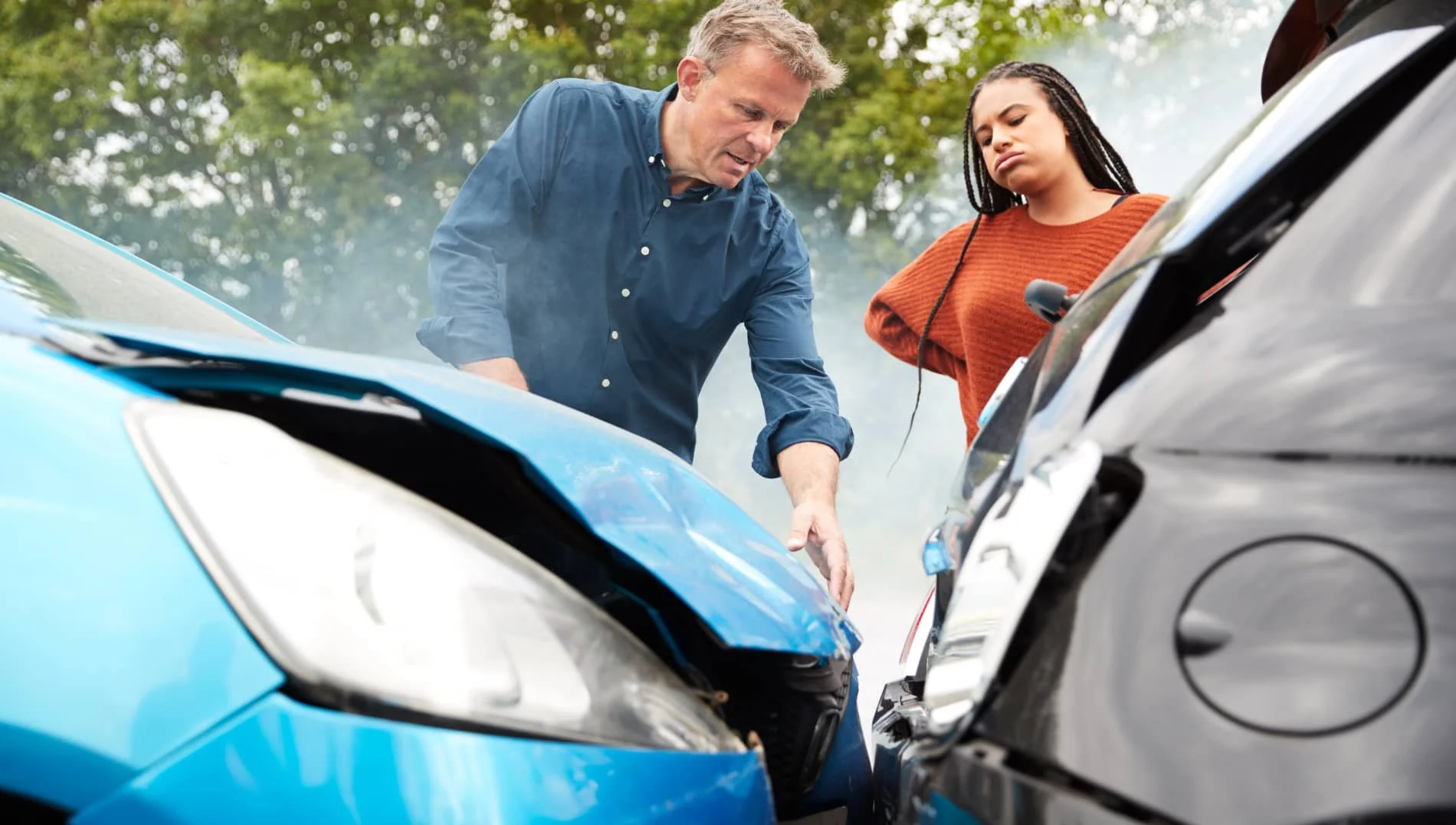
Being involved in a car accident could be more frustrating than one can imagine. Your car is damaged, and your body hurts. You are already thinking about medical bills, missed work, and how long recovery might take. Between all this chaos, you can still rely on the insurance to recover your expenses and losses.
But what if you find out that the other driver does not have insurance? You did nothing wrong, but now you are left wondering, “Who pays for this?”
This is where uninsured motorist coverage can help. It is a part of your own auto insurance policy that protects you when the driver who caused the crash has no insurance. In this blog, we will explain what an uninsured motorist policy means, how it works, what it may cover, and what steps to take if you are injured by an uninsured driver.
| Talk to A Trusted Personal Injury Lawyer in Northern California - Call (916) 706-2616 |
What Does An Uninsured Motorist Policy Mean?
An uninsured motorist policy is coverage that pays for your injury losses when the at-fault driver has no valid insurance. It actually protects you from someone else’s failure to carry insurance.
Usually, when another driver causes a crash, their liability insurance should pay for the harm they caused. But if they have no insurance, there may be no company on their side to make a claim against. That is where your own uninsured motorist coverage may step in.
When Does the Coverage Apply
- The other driver has no auto insurance
- The driver’s policy was canceled or invalid
- You were injured in a hit-and-run crash
- You were a passenger in a vehicle hit by an uninsured driver
- You were walking or biking when an uninsured driver hit you
It mainly depends on your policy, the crash details, and how the claim is handled. That is why it is important not to assume there is no recovery just because the other driver was uninsured.
Why You May Need Legal Assistance?
An uninsured motorist's policy gives you another possible path. It may help cover your losses through your own insurance policy, up to the limits you purchased. That does not mean the process is always easy. Your insurer may still question your injuries, dispute the value of your claim, or ask for detailed proof. Having coverage is helpful, but you still need to protect your claim, and professional legal support can really help.
Uninsured Motorist Vs. Underinsured Motorist: What Is The Difference?
These two coverages are often mentioned together, but they are not the same.
- Uninsured Motorist - A driver runs a red light, hits you, and has no valid auto insurance policy
- Underinsured Motorist - The at-fault driver has insurance, but not enough. Your losses are $100,000, but the driver only has $30,000 in coverage.
In short, uninsured means no insurance, and underinsured means not enough insurance. Both can be important after a serious accident. Medical bills, physical therapy, surgery, time away from work, and long-term pain can add up quickly. A driver may have insurance, but if the policy limit is too low, it may not fully cover your losses.
What Can An Uninsured Motorist’s Policy Cover?
- An uninsured motorist's policy usually focuses on injury-related losses. Depending on your coverage and case facts, it may help cover emergency room bills, ambulance costs, doctor visits, surgery or future medical care, physical therapy, lost wages, reduced earning ability, pain and suffering, and injuries to passengers in your vehicle.
- It may also apply if you were walking, biking, or riding as a passenger when the uninsured driver hit you.
- Also, an uninsured motorist policy is not just about the first hospital bill. A serious injury can affect your work, sleep, family life, driving confidence, and daily routine. If your back still hurts three months later, you may not return to the same job.
All these details are very important. A strong uninsured motorist claim should show not only that the crash happened, but also how the injury affected your health, work, and daily life.
What Should You Do After A Crash With An Uninsured Driver?
The first few days after the accident are important. You may be shaken, sore, angry, and unsure what to do next. That is normal. But try to take a few practical steps.
- Call the police and make sure an accident report is created. This is more important if the other driver has no insurance or leaves the scene.
- Get immediate medical care. You might feel that the pain will go away, but it is better to have it checked. Some injuries show up later, mainly neck, back, head, and soft tissue injuries.
- Report the crash to your insurance company. Tell the truth, but be careful about giving recorded statements before you understand your rights.
- Make sure you save everything. Keep photos, medical bills, repair estimates, insurance letters, witness names, and proof of missed work.
- Always review your policy. Look for uninsured motorist coverage, underinsured motorist coverage, medical payments coverage, and collision coverage.
A professional personal injury lawyer can help you understand which coverage applies and how to avoid mistakes that may weaken your claim.
Can Your Own Insurance Company Still Fight Your Claim?
Yes. Even though uninsured motorist coverage is part of your own policy, your insurance company does not automatically pay whatever you ask for. The company may still investigate the fault, review your medical records, question treatment, or dispute the amount of your damages. This does not mean your claim is over. It means you need evidence.
Strong uninsured motorist claims usually include police reports, medical records, photos, witness statements, wage records, doctor opinions, and a clear explanation of how the crash changed your life. The more serious the injury, the more important this becomes.
What Mistakes Should You Avoid In An Uninsured Motorist Claim?
- Don't assume that your own insurance company is just waiting to pay you. Your policy may protect you, but the insurer still has a financial interest in paying less.
- Don't settle too quickly. Some injuries take time to understand. If you accept a payment before you know the full medical picture, you may be stuck with future bills.
- Also, avoid posting about the crash or your injuries online. Insurance companies might notice your post and use it out of context.
The safest approach is to contact a professional who can help you understand deadlines, policy limits, evidence, and the true value of the case.
| Get Help Before You Settle - Call (916) 706-2616 |
Common Questions About Uninsured Motorist Claims
Takeaway
If you or any of your loved ones faced an accident and now come to know that the at-fault driver was not insured, don't panic! You can recover your expenses with the help of Uninsured Motorist Coverage. However, you need to be careful, document everything, and understand your policy before accepting any settlement. Just because the other driver is uninsured does not always mean you are out of options. You can also contact a trusted accident attorney to understand your options better.
Talk To Doyle O’Donnell About An Uninsured Motorist's Policy Claim in Sacramento
If you were injured by an uninsured driver in Sacramento, West Sacramento, Elk Grove, Rancho Cordova, Natomas, Carmichael, Fair Oaks, Arden Arcade, Rio Linda, North Highlands, or a nearby area, Doyle O’Donnell can help you understand your uninsured motorist policy and your next steps.
At Doyle O’Donnell, we have over 30 years of experience in representing injured people and handling their personal injury cases involving auto accidents, motorcycle crashes, truck accidents, rideshare accidents, bicycle and pedestrian injuries, serious injuries, and wrongful death claims.
Our team understands how insurance companies evaluate these claims and how to build the evidence needed to protect your recovery. Led by top-ranked and licensed lawyers, our team makes sure you get the maximum compensation you deserve,
- Margaret Ann Doyle (Bar Number 132475)
- Daniel Gerard O'Donnell (Bar Number: 155092)
We’re an A+ rated law firm by the BBB and have been recently recognized among the top 10 personal injury attorneys in Sacramento. Also, we work on a contingency basis, so there are no fees unless we win.
Call us at (916) 706-2616 to schedule an appointment!