
Uber Self-Driving Backup Driver Causes Accident: Who’s Responsible and Who Pays?
You can see self-driving cars everywhere. You’ll see them in the news, on city streets, in ride-share testing programs, etc. Companies like Uber Technologies have spent years testing these autonomous vehicles to make transportation safer and more efficient.
But accidents still happen. And when they do, people usually ask -
If an Uber self-driving backup driver causes an accident, who is legally responsible?
Well, the answer depends on a lot of factors. In a regular crash, you can usually blame the driver who caused it. But with autonomous vehicles, responsibility can fall on several people or companies at the same time. And this is why Uber's autonomous backup driver accident legal responsibility has become a growing legal issue in the United States.
But we’re here to tell you everything in an easy and simple way.
What Is a Backup Driver in a Self-Driving Car?
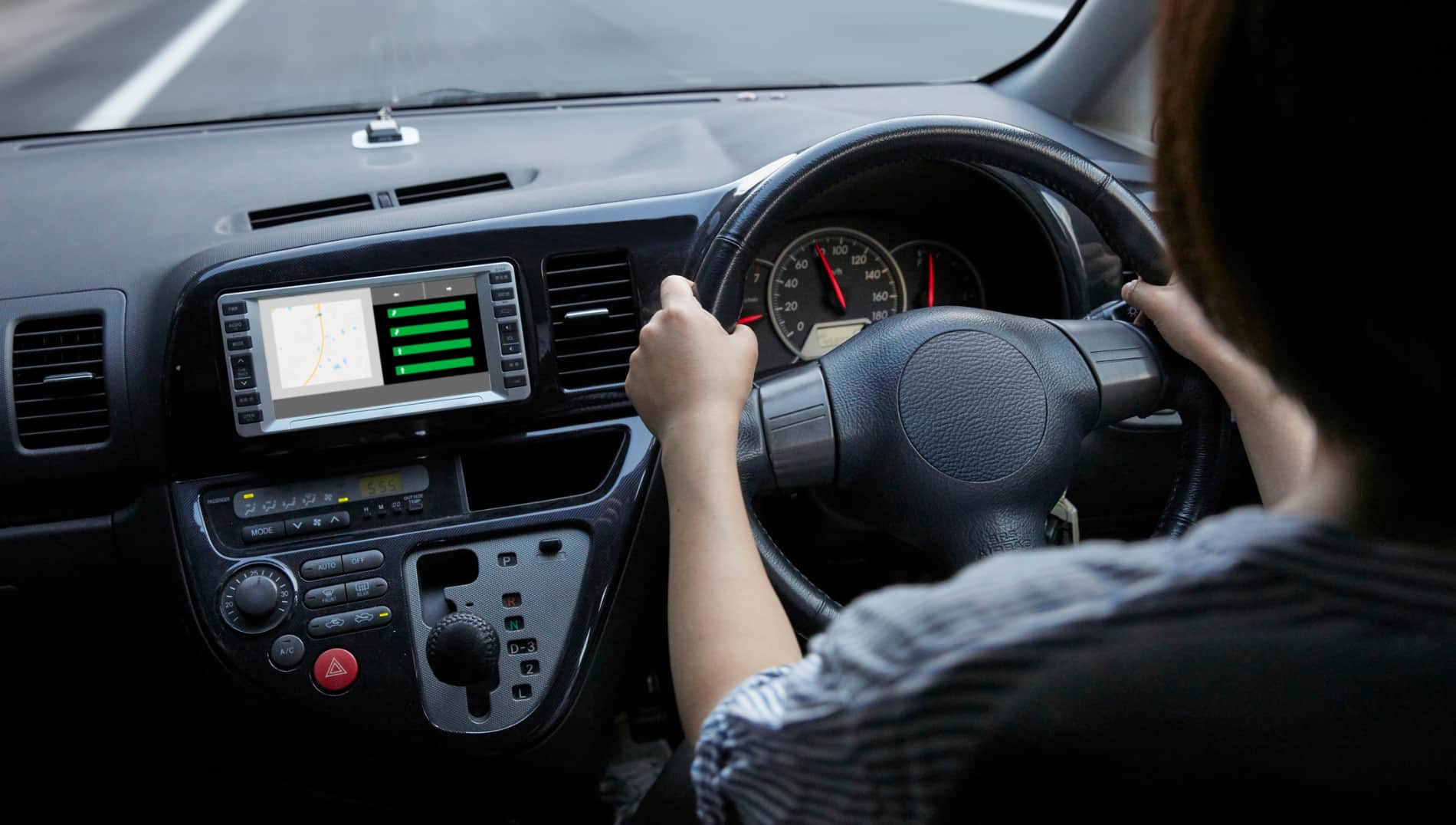
A backup driver, or safety operator, is a trained professional who sits behind the wheel of an autonomous vehicle during its development phase. So, the AI can handle the driving. But the backup driver will be there for safety reasons. Their main duties include -
- Proper Monitoring: They'll keep their eyes on the road and hands near the wheel at all times.
- Manual Takeover: The driver will override the system instantly if the AI glitches, fails, or freezes up.
- Taking Care of the Chaos: They'll help in managing unpredictable conditions like confusing construction zones or erratic pedestrians.
They may not touch the controls often. But they'll need to react right away if something goes wrong. If a crash takes place, investigators will investigate the backup driver to see if they reacted quickly. And this makes them an important part of insurance liability cases.
Can You Hold the Backup Driver Responsible?
Yes. The autonomous technology takes care of the operational aspects of driving. But the law sees the human safety operator as the licensed driver. So, if a crash happens because of the operator's inattentiveness or distraction, they can face direct consequences.
An Important Case
The 2018 car crash involving an Uber self-driving car in Arizona turned out to be one of the landmark incidents where the importance of a backup driver was demonstrated for the first time. The investigation into the matter revealed that the driver had been distracted prior to the incident and had not taken prompt measures that could have prevented the crash. The driver was charged later on.
Civil Liability and Negligence
In civil lawsuits, the court determines whether the backup driver acted responsibly in that situation. Usually, investigators determine whether the driver –
- Was distracted
- Looked at his phone
- Disregarded any warnings
- Failed to brake
- Did not observe any traffic conditions
If the driver did not react appropriately during an emergency situation, then they may face –
- Lawsuits
- Financial liabilities
- Loss of a job
- Criminal charges, especially in very serious cases
The investigators must prove that the driver had enough time to respond to avoid the accident, but he/she did not. But if the situation occurred too quickly for any human response, the company or software firm would share more liability.
When Is Uber Legally Responsible for an Autonomous Vehicle Crash?
Uber can also be legally responsible in some situations. And Uber’s insurance coverage can reach up to $1 million in some cases. But the amount paid depends on who was responsible and what the investigation finds.
Employee Actions During Testing
Backup drivers serve as the employees of the company during the testing process for self-driving cars. If a driver gets into an accident while on duty, Uber may also share liability if the employee’s actions contributed to the crash.
So, if a backup driver was distracted, failed to react, or ignored safety procedures, liability may involve the company itself.
Poor Safety Procedures or Training
Uber may also be held liable directly when it does not ensure that its testing process is carried out safely. This could involve -
- Inadequate training of drivers
- Safety oversight neglect
- Neglecting the existing problems in the system
- Failure to properly maintain the vehicles
- Faulty sensors and cameras
When the investigators establish that the company did not focus on the dangers associated with the testing process or ignored its oversight responsibilities, Uber can be included in the lawsuit.
Commercial Insurance Coverage
Autonomous vehicle testing programs usually happen under large commercial insurance policies that cover crashes caused by either human error or technological malfunctions. Some examples include -
- Backup driver negligence
- Software glitches
- Sensor problems
- Vehicle operation faults
For this reason, most claims are filed through Uber's commercial insurance policy, and not on the backup driver's personal insurance plan.
Who Pays After a Self-Driving Car Accident?
The insurance company that pays after a self-driving car accident depends on what caused the crash. Liability may involve the backup driver, Uber, the vehicle manufacturer, or the autonomous software provider. In many Uber self-driving backup driver causes accident cases, liability insurance becomes a major issue because several companies and insurance providers may be involved at the same time.
| Insurance Policy | What It Usually Covers |
| Uber Commercial Insurance | May cover injuries, property damage, and liability during autonomous vehicle testing or operation. |
| Backup Driver Insurance | May apply if the backup driver acted negligently or failed to take control before the crash. |
| Manufacturer Insurance | May cover accidents caused by defective or faulty vehicle parts or mechanical failures. |
| Product Liability Coverage | May apply when the self-driving software, sensors, or automated system malfunctioned before the accident. |
| Third-Party Insurance | Covers claims involving other drivers, pedestrians, cyclists, or outside parties affected by the crash. |
Insurance companies usually review -
- Black box data: Records the events leading up to the crash.
- Camera footage: Helps the investigators understand the incident.
- Driver’s response: Considers the conduct of the backup driver during the incident.
- System’s functioning: Analyzes how the autonomous system was performing.
- State liability laws: Establishes how liability will be determined through the state’s law.
When more than one party may be responsible, these accident liability insurance claims usually take more time to investigate and settle than a car accident case.
| Talk to Doyle & O'Donnell About Your Accident Claim - Call 916-706-2616 |
Can You Sue After a Self-Driving Car Accident?
Yes. If you suffered injuries in a self-driving car accident, you may have the right to file a claim or lawsuit. Victims may ask for compensation for -
- Medical expenses
- Lost wages
- Pain and suffering
- Emotional distress
- Future treatment costs
- Property damage
Depending on the crash, lawsuits may target -
- The backup driver
- Uber
- Vehicle manufacturers
- Software companies
- Other drivers involved
These cases often become more expensive and more technical than car accident lawsuits. That usually means a lot of legal procedures and longer investigations.
What You Should Do After a Self-Driving Car Accident
Here’s what you should do -
- Call 911: Report your accident and request medical help if you need it. A police report may become important in the investigation process.
- Get Medical Attention: Some injuries may not show symptoms right away, even after a minor crash. So, you need to opt for medical treatment to take care of visible and hidden injuries.
- Take Photos and Videos: You should record your vehicle damage, injuries, road conditions, traffic signs, and weather conditions as evidence.
- Collect Information: Collect contact, insurance, and vehicle details from drivers, witnesses, and police officers.
- Be Careful With Insurance Companies: You should never admit your fault or accept any quick settlement offers without talking to your lawyer.
- Keep Records & Evidence: You need to save your medical bills, repair estimates, photos, and your accident-related records for the investigation process.
- Contact an Attorney: Self-driving accident cases often involve complicated liability and insurance investigations. So, you should always have a trusted lawyer by your side to fight for your case.
| Call 916-706-2616 Now For a Free Consultation |
Questions You May Have About Uber Self-Driving Car Accidents
Takeaway
When an Uber self-driving car accident takes place, the case may involve the backup driver, Uber, the software company, and multiple insurance providers. Unlike a normal car accident, investigators usually have to review both the driver’s behavior and the vehicle’s self-driving system to understand what caused the crash.
You can work with an experienced personal injury lawyer who can help you protect evidence, take care of the insurance issues, and avoid mistakes that could affect your claim later.
Get Trusted Legal Help After a Self-Driving Car Accident from Doyle & O'Donnell
At Doyle & O'Donnell, we understand that a self-driving car accident brings immense emotional and financial stress. When an Uber self-driving backup driver causes accident liability insurance disputes, you shouldn't have to battle multi-billion-dollar corporations alone when your medical bills pile up.
As the top personal injury attorney in Sacramento, our A+ rated, BBB-accredited firm leverages over 30 years of experience and top-tier lawyers to fight for your rights. We have recovered millions of dollars for injury victims through clear, compassionate communication. Also, you don’t have to pay us anything until we win your case.
Contact us at 916-706-2616 for a free consultation.